Some links in this article are affiliate links. We may earn a commission
if you sign up or make a purchase. This supports our content at no extra cost.
As an Amazon Associate we earn from qualifying purchases.
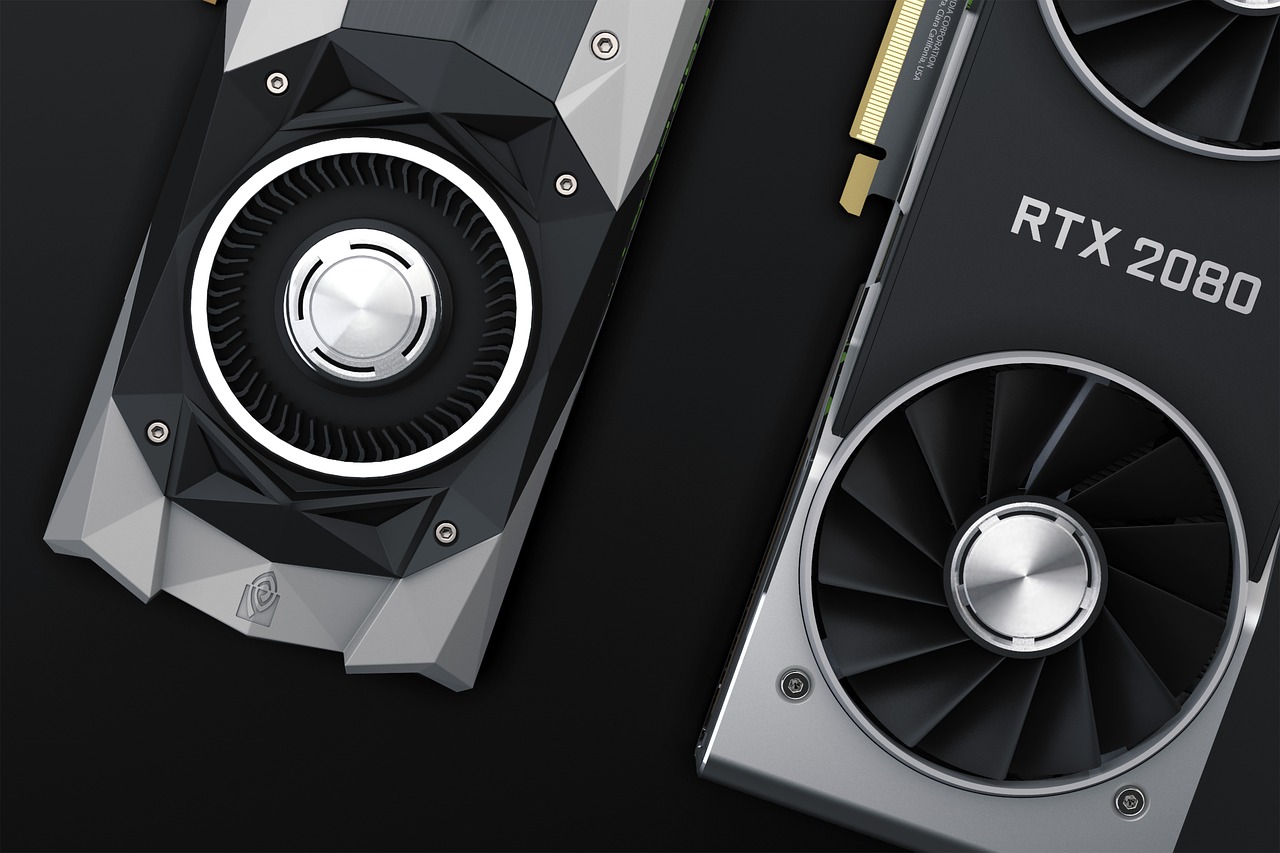
For 1440p gamers planning their next build, the choice between the RTX 5070 and RX 9070 is critical. While both target the same price point, the RTX 5070 will likely be the winner for most people due to its superior AI-driven feature set, particularly a more mature DLSS and stronger ray tracing performance. However, AMD’s focus on raw rasterization power makes the RX 9070 a formidable contender for those who prioritize frames-per-second above all else.
Our top picks
- NVIDIA RTX 5070 cards and AMD RX 9070/9070 XT GPUsCheck price on Amazon
- ChatGPT Mastery BookCheck price on Amazon
- 4K Monitor for ProductivityCheck price on Amazon
Raw Performance: The Rasterization Race
In traditional gaming without ray tracing or AI upscaling, the battle will be incredibly close. Historically, AMD has competed fiercely with NVIDIA on pure rasterization performance at similar price points. We expect the RX 9070 to match, or even slightly exceed, the RTX 5070 in raw frame rates in many AAA titles. If your goal is simply the highest possible FPS in games like Call of Duty or Counter-Strike 2 on a high-refresh-rate monitor, AMD might offer more bang for your buck. Both NVIDIA RTX 5070 cards and AMD RX 9070/9070 XT GPUs are designed to deliver a smooth, high-frame-rate experience, but AMD’s architecture often shines in these straightforward scenarios.
The Upscaling Showdown: DLSS vs. FSR
This is where the real fight is. NVIDIA’s Deep Learning Super Sampling (DLSS) and AMD’s FidelityFX Super Resolution (FSR) are both essential technologies for achieving high frame rates with maximum visual quality. The core difference lies in their approach.
NVIDIA’s AI Advantage with DLSS
DLSS leverages dedicated Tensor Core AI hardware inside the RTX 5070, allowing for more advanced image reconstruction and frame generation. We anticipate DLSS 4 will offer even cleaner images with fewer artifacts than its predecessor, making it nearly indistinguishable from native resolution while providing a massive performance uplift. This AI-first approach reflects a broader trend in tech; understanding how these models work is becoming a valuable skill, which is why resources like the ChatGPT Mastery Book are gaining popularity. For gamers who want the best possible image quality from their upscaler, NVIDIA’s proprietary, hardware-accelerated solution will almost certainly remain the king.
AMD’s Open-Source Power with FSR
AMD’s FSR takes a different path. It’s an open-source solution that can run on a wide range of hardware, including older NVIDIA and AMD cards. While FSR 3 made huge strides, it generally trades a small amount of image fidelity for this wider compatibility. We expect FSR 4 on the RX 9070 to continue this trend, offering excellent performance boosts but likely still trailing DLSS in motion clarity and artifact handling. For gamers who value open standards and flexibility, FSR is a fantastic choice.
Ray Tracing, AI Features, and Ecosystem
When you turn on ray tracing, NVIDIA’s architectural advantage becomes clear. Thanks to more mature and powerful RT Cores, the RTX 5070 is projected to handle complex lighting and reflection workloads significantly better than the RX 9070. If you play graphically intense single-player games like Cyberpunk 2077 or Alan Wake 2 and want to enable full path tracing, the RTX 5070 will be the obvious choice. To truly appreciate these visual enhancements, you’ll need a great display, and a high-quality 4K Monitor for Productivity often doubles as a superb gaming screen with excellent color accuracy and response times.
Beyond raw performance, NVIDIA offers a suite of AI-powered tools like RTX Video for upscaling streaming content and NVIDIA Broadcast for streamers. Combined with a more robust driver package for creative applications (Studio Drivers), the RTX 5070 presents a more complete package. Of course, a great gaming setup is more than just visuals; immersive audio from a device like the Apple AirPods 4 Wireless Earbuds can complete the experience, regardless of which GPU you choose.
Your Next Move
With new European pricing placing these cards neck-and-neck, the decision is less about cost and more about philosophy. If you demand the absolute best in ray tracing and believe in the power of AI-driven features like DLSS for pristine image quality, the RTX 5070 is your card. If you’re a purist who wants maximum raw performance for your dollar and supports the open-source nature of FSR, the RX 9070 is an excellent and powerful alternative. The next step is to wait for independent third-party benchmarks to confirm these projections before you buy.